GROW, un modelo de coaching para poner palabras en acción
- Home
- Actualidad
- GROW, un modelo de coaching para poner palabras en acción
De las numerosas definiciones que existen de coaching, siempre preferí la de John Whitmore: “Una guía valiosa para aquellos interesados en mejorar su capacidad para apoyar el crecimiento y el rendimiento de otros”.
La simpleza con que resuelve una pregunta tan común no es algo único que reconocerle.
En su libro «Coaching: El método para mejorar el rendimiento de las personas”, John Whitmore también propone un enfoque práctico para implementar el coaching a título individual y organizativo. Se trata del modelo GROW, una estructura fundamental para cualquier coach que quiera llevar este tipo de procesos al siguiente nivel.
Te cuento más en detalle, a continuación.
¿Qué significa GROW?
De una forma muy resumida, GROW es un acrónimo que propone diferentes etapas:

(Goal - Meta)
La primera etapa propone establecer metas claras y específicas. ¿Qué quiere lograr nuestro coachee?
Mediante el uso de preguntas poderosas, el coach facilita la reflexión y el descubrimiento por parte del coachee. Estas preguntas estimulan el pensamiento crítico y ayudan a identificar objetivos a corto, medio y largo plazo.
En esta etapa también destaca la importancia de que el coach desarrolle responsabilidad en el coachee. Esto implica que asuma el control y la propiedad de los objetivos. Debiendo ser éstos: alcanzables, accionables y medibles.
Comparto un ejemplo: Nuestro coachee, en este caso, un profesional de ventas, establece como meta aumentar sus ventas en un 20% durante el próximo trimestre.
En definitiva, todo comienza proporcionando dirección y un punto de referencia para evaluar el progreso.

(Reality - Realidad)
La segunda etapa consiste en evaluar la situación actual del coachee. ¿Qué le aleja/acerca del objetivo?
El coach alienta al coachee a llevar a cabo una evaluación realista de su situación actual y a desarrollar conciencia. Esto último implica que se comprenda a uno mismo, su situación, sus valores y sus aspiraciones.
Siguiendo con el ejemplo anterior: El coachee en este caso podría examinar su rendimiento actual y reconocer que ha perdido oportunidades de ventas debido a que su tiempo de respuesta a los clientes potenciales con las propuestas correspondientes ha sido superior a un mes.
Rotundamente, analizar la realidad con honestidad y claridad es esencial para comprender el punto de partida y los posibles obstáculos.

(Options - Opciones)
La tercera etapa pone foco en explorar posibles acciones y estrategias para alcanzar los objetivos establecidos. ¿Qué alternativas existen?
El coach ayuda al coachee a generar ideas y soluciones, fomentando la creatividad y la consideración de diferentes enfoques.
Para que el coachee pueda ampliar el repertorio de opciones disponibles, el coach pone en juego sus habilidades esenciales. Esto incluye la escucha activa, la empatía y la capacidad de proporcionar retroalimentación constructiva.
También es un buen momento para explorar la idea de cambiar creencias limitantes de tal manera que el coachee pueda superar obstáculos y promover un cambio positivo en su comportamiento y su desempeño.
Ilustrando esta fase: Coach y coachee explorarían diferentes estrategias para mejorar el seguimiento de las oportunidades de venta, como pedir apoyo a compañeros, establecer recordatorios regulares o mejorar la priorización de tareas.
El propósito de esta etapa no es otro que contribuir al logro de los objetivos mediante el reconocimiento de posibles planes de acción.

(Will - Voluntad)
La cuarta y última etapa plantea el compromiso y la voluntad de llevar a cabo las acciones identificadas. ¿Qué hará exactamente?
El coachee asume la responsabilidad de implementar las soluciones acordadas y de establecer pasos específicos y realistas. También expresa su compromiso y disposición para implementar las decisiones y cambios acordados.
El coach, por su parte, proporciona comentarios constructivos y apoyo durante el proceso de implementación del plan de acción, ajustándolo según sea necesario.
Terminando con el ejemplo: El coachee elige implementar un sistema de priorización de tareas que incluye utilizar la técnica de priorización MoSCoW para clasificar sus responsabilidades comerciales según su urgencia e importancia, decidir qué tareas hacer primero, cuáles delegar en otros compañeros, cuáles programar y cuáles eliminar y se compromete a seguirlo durante el próximo trimestre.
Establecer compromisos firmes parece una forma óptima de seguir adelante y superar cualquier resistencia o barrera que pueda acontecer durante el proceso.
El modelo GROW
En resumen, el modelo GROW de John Whitmore se presenta como un marco estructurado y efectivo para el proceso de coaching, guiando al coachee a través de las etapas de establecimiento de metas, evaluando la realidad, explorando opciones y comprometiéndose con acciones concretas.
Los ejemplos compartidos son simplificaciones ya que el proceso de coaching implica discusiones más detalladas, explorar opciones de una forma más exhaustiva, y ajustar continuamente según se avanza. No obstante, ilustran cómo el modelo GROW se puede aplicar en un contexto específico tanto a nivel individual como a nivel organizacional pues su versatilidad dota a coaches y coachees de poder trabajar juntos una amplia variedad de metas y desafíos.
Es importante destacar que el modelo GROW no es un proceso lineal estricto; puede haber retrocesos y avances entre las etapas, y el coach debe adaptar su diálogo a las necesidades y el progreso del coachee. La flexibilidad y la adaptabilidad son claves para su efectividad.
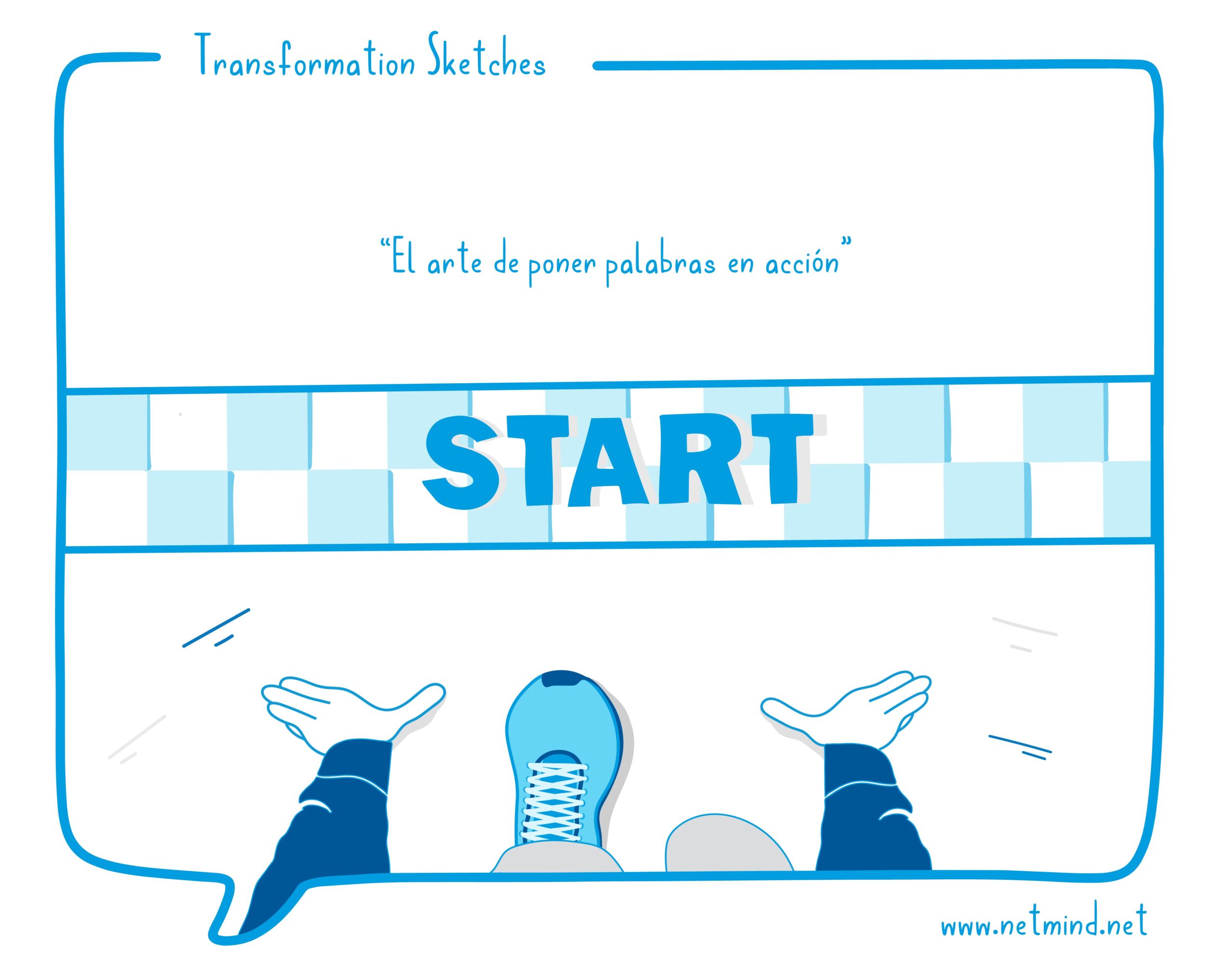
En la mayoría de realidades que co-vivimos, la teoría sin acción no produce resultados. Superar cualquier desafío personal o profesional, requiere de constancia y esfuerzo continuo. Siendo cada paso crucial para alcanzar nuestra meta final.
El modelo GROW, con su enfoque estructurado y práctico, nos recuerda la importancia de transformar las palabras en acciones concretas y efectivas. Nos invita a experimentar en un proceso colaborativo y orientado hacia el futuro «el arte de poner palabras en acción«.
Si uno de tus objetivos principales es ayudar a las personas a alcanzar sus metas, maximizar su potencial y mejorar su desempeño, ¡comienza ahora!
Recientemente Netmind ha sido “homologada” por el ICF (International Coaching Federation), para conceder dos programas certificados de Coaching:
Professional Agile Coach - ICF Accredited Level 1
Un programa donde desarrollarás las competencias claves para poder ejercer de manera profesional el rol de Agile Coach en sus diferentes facetas: coach, mentor, formador y facilitador y dotarte de un perfil competencial altamente efectivo para impulsar equipos de alto rendimiento.
Professional Executive Coach - ICF Accredited Level 2
Un programa donde verás como el Coaching te ayudará a crear las condiciones necesarias para aprender, crecer, y acceder al potencial propio y de las personas con las que trabajas.
Entre todas las formas que existen de priorizar las necesidades y deseos de las personas, la escucha, la reflexión y el aprendizaje continuo presumen de ser algunos de los mejores aliados para cultivar relevancia, sostenibilidad y éxito en nuestro ecosistemas.
Si el coaching es la guía, sólo necesitamos que más personas compartamos este interés.